The Ride You Do Not Remember Is the One You Should Have Logged
Ask most riders about a specific trip from six months ago and they will struggle to recall the exact route, the distance covered, or how long it took. That information matters — not for obsessive record-keeping, but because patterns in your riding data tell a useful story about your habits, your favourite roads, and even how your bike is performing.
Motorcycle GPS ride tracking closes that gap. Instead of relying on memory, every ride is automatically recorded from the moment you set off to the moment you stop. The route, the distance, and the speed profile are all preserved — ready to review whenever you want.
What Gets Recorded on Every Ride
A good GPS ride tracker captures three things that are difficult to reconstruct after the fact:
Route
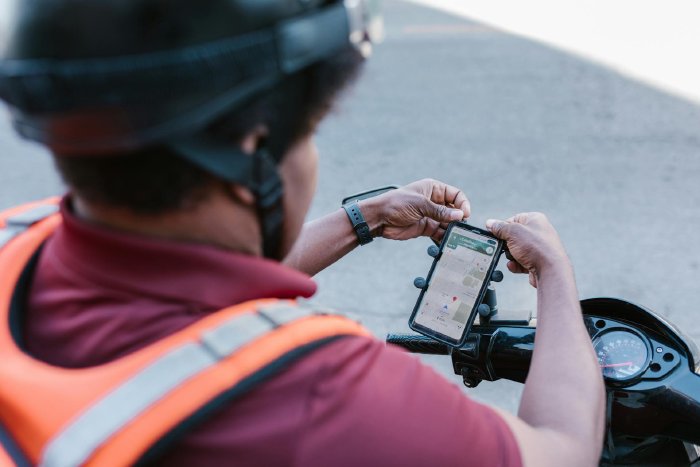
The exact path you took, plotted on an interactive map. This is the most valuable piece of data for revisiting a great road or understanding why a particular section felt congested. Over time, a map of your ride history shows you your riding territory at a glance.
Distance and Speed
Total distance per ride is straightforward, but the speed log is more nuanced. Reviewing a speed profile after a motorway blast versus a mountain twisties run shows you how differently you actually ride in each context — useful context if you are working on your riding technique or tracking fuel efficiency against riding style.
Duration
Combined with distance, duration gives you your average riding pace — not just average speed, but the realistic time a route takes including stops, traffic, and terrain. This is the number your map app cannot give you because it does not know how you ride.
Replaying Rides and Finding Favourite Routes
The most immediately enjoyable feature of GPS Ride Tracking in MyBikes.App is ride replay. Open any past ride, tap play, and watch the route animate across the map. It is a surprisingly satisfying way to relive a good day out, and an equally useful way to remember the approach to a junction you want to ride again.
Over a riding season, patterns emerge. You will notice which roads you return to repeatedly. You will spot the routes you told yourself you would ride again but never quite did. And you will have a clear record of how many kilometres you actually covered — handy for insurance claims, service intervals, and resale discussions.
Why Offline-First GPS Logging Beats Ride-Sharing Platforms
Some riders share routes on social platforms or GPS apps designed around community features. Those tools have their place, but they come with trade-offs: your riding data lives on a third-party server, it may be used for advertising or analytics, and the app stops working without mobile data.
An offline-first GPS ride tracker stores everything locally on your device. You do not need mobile signal during a ride — which is exactly when you most want it to work reliably, whether you are deep in a mountain valley or on a rural road with no coverage. When you are back in range, your data syncs automatically.
Privacy by Default
Your ride history reveals where you live (your most frequent start point), where you work (patterns in weekday morning routes), and which roads you use regularly. Keeping that data on your own device — backed up securely to Azure cloud storage via your own account — is a meaningfully different proposition to contributing it to an anonymised third-party dataset.
Tracking Riding Progress Over Time
Beyond routes, a GPS log is a record of personal growth. Riders who are working on distance capability — building up from day trips to longer tours — can see their average ride length trend upward over months. Riders preparing for an MOT or annual service have accurate mileage figures that do not depend on an odometer reading taken on the right day.
The combination of GPS ride data with the rest of your maintenance log — fuel consumption, parts replaced, service dates — gives you a complete picture of what your bike has been through and how you have been riding it.
Using Your Ride Data Practically
Here are a few concrete ways riders use accumulated GPS data:
- Route planning: Find a road you rode eighteen months ago that you want to share with a friend. The route is in your history, not lost in a memory.
- Service scheduling: You know you need an oil change every 5,000 km. Your GPS log shows you exactly when you hit that mark.
- Insurance claims: If you are ever involved in an incident, a GPS history of your routes and speeds (not a live tracker) can be valuable supporting information.
- Bike sale preparation: A buyer asking “how far has it been ridden this year?” gets an honest, documented answer rather than an estimate.
Start Logging Your Rides
MyBikes.App: Motorcycle Manager records every ride automatically in the background with the GPS Ride Tracking feature. Routes are plotted on an interactive map, all ride data is stored offline on your device, and Azure-backed cloud backup protects it from device loss or factory reset.
See the full feature list or download the free Android app from the Play Store to start building your ride history today.
Available on Android · iOS coming soon.